Before the next fire
Subhra Bhattacharjee explores why prevention, local knowledge and responsible forest management matter for climate resilience.
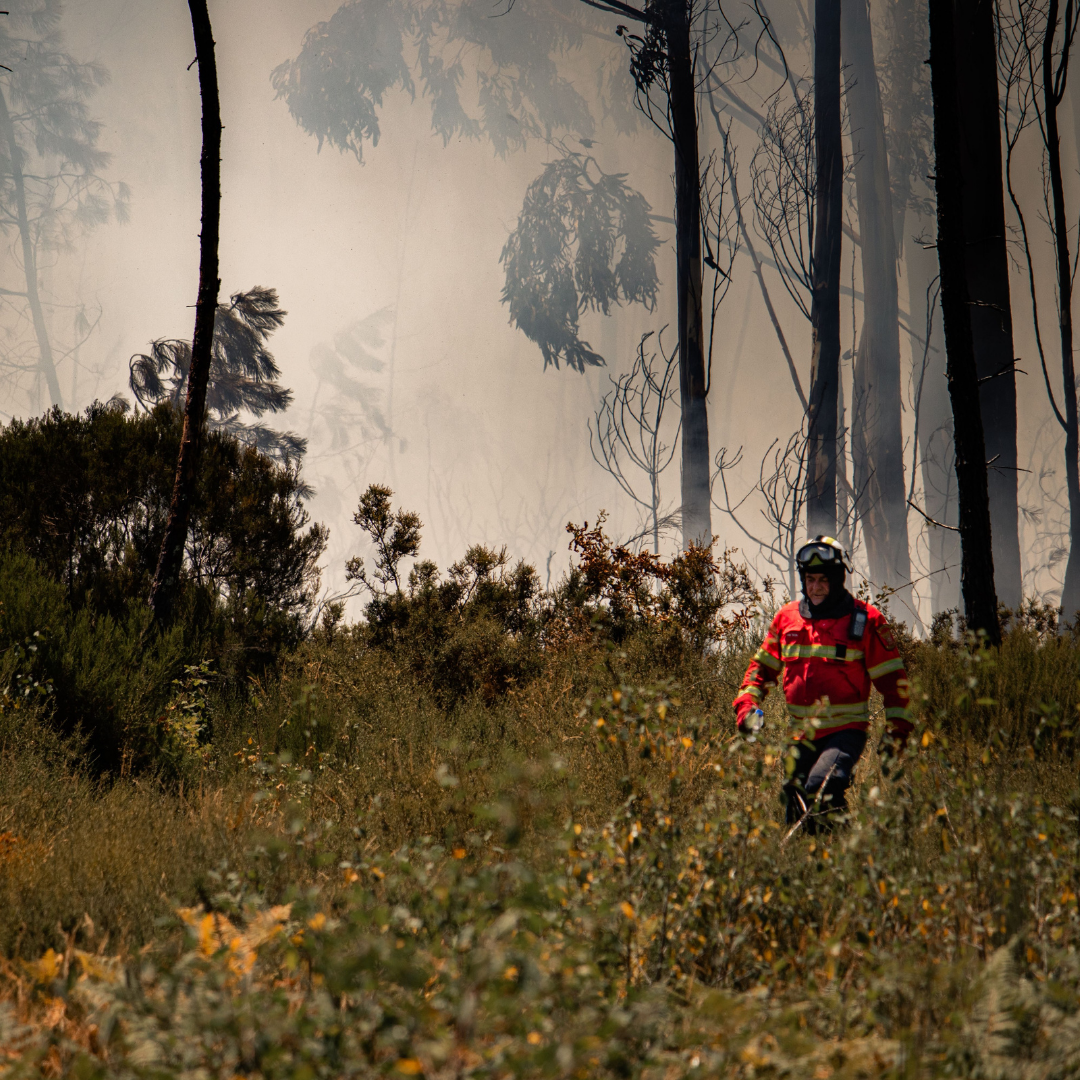
Image by Yuri Meesen | Pexels
Another summer of deadly wildfires, floods, landslides, and storms across the world has made one thing painfully clear: we are no longer facing isolated disasters, but a new climate reality – a reality where countries once considered low risk are burning, prolonged heatwaves and droughts are claiming thousands of lives, floodwaters are swallowing neighborhoods, and power outages are stretching from days into weeks.
Forests can be a critical line of defense against climate-related disasters – slowing floods and storms, helping regulate temperatures, and increasing ambient humidity. But, these functions are not automatic, nor can they be taken for granted. For forests to play their part in climate resilience, they need to be managed on the basis of science and local conditions. Take the example of forest fires. As fires become more frequent, intense, and destructive, the question is no longer only how we respond once flames appear, but how we prepare before the first spark.
When forest fires break out, emergency response is essential. The fires in France, Spain, and the UK have cost their respective governments billions of euros in emergency response. But if public conversation only begins once the fire is already spreading, we have already missed the first – and our most important – window of opportunity: prevention.
Prevention starts long before fire season. It includes mapping fire risk, managing forests to keep them biodiverse, healthy, and resilient, reducing drywood, and creating firebreaks and access routes where needed. It means working with local communities, using science-informed planning to assess and mitigate risks, and applying credible standards that support responsible management.
While responsible management alone cannot create fireproof forests, especially when extreme heat, extended periods of drought, and high winds come together. But it can be a useful risk mitigation tool that can keep fires from turning catastrophic. It can also help forests recover when damage occurs.
Oil and water
Forests differ widely in their composition, purpose, and risk profile, and management and prevention must be tailored to local conditions and needs. Under the Forest Stewardship Council’s (FSC) standards, forest managers are required to assess the risks of natural hazards, such as wildfires, facing each forest and take appropriate steps to reduce them where possible.
In practice, this can include controlling invasive species and supporting the regeneration of native ones, reducing dry vegetation that can fuel fires, maintaining access routes for emergency crews, creating buffer zones near roads and communities, and limiting visitor access during high-risk periods.
In certain communities in Guatemala, for example, FSC standards for responsible forest management enabled communities to invest in patrolling the boundaries of forest concessions, create and maintain fire breaks, and carry out ongoing monitoring using GPS technology and drones, in co-ordination with the Guatemalan government. In other parts of the world – in dry conifer stands, for instance – responsible forest management plans may require careful thinning and removing some dead wood without affecting the ecological functions that dead wood can provide as habitat.
The point is not to clear forests indiscriminately. Forests are living systems, not spaces to be tidied up, and poorly planned interventions can damage biodiversity, disturb soils, weaken water systems, and harm the very resilience they are meant to build. Our goal should be smarter, locally adapted management that reduces risk while protecting the ecological values that make forests strong and productive.
This is why local knowledge and engagement matter. Fire risk looks different in Portugal than in Finland, and different in the Mediterranean than in boreal forests. Terrain, climate, ownership, community use, and forest history all shape what responsible action should look like. Responsible forest management depends on local communities, Indigenous Peoples, foresters, landowners, researchers, emergency responders, and public agencies working together to understand what is at risk, what trade-offs are acceptable, and what kind of practices will work in a specific context.
Engaged communities can spot risks early, while skilled forestry workers can read changing conditions and act before small vulnerabilities become major threats. Building wildfire resilience is, therefore, as much social, ecological, and political as it is technical. It requires resisting the urge to search for one simple answer to a complex risk. Not every fire can be avoided, but the worst outcomes can be prevented if we prepare earlier, invest in prevention, and manage forests to protect both people and nature.
Subhra Bhattacharjee is the Director General of the Forest Stewardship Council.