Can we trust AI to fight superbugs? A study says not yet
The development of new antibiotics could be sped up thanks to a new tool that tests the reliability of AI. Researchers from the University of Queensland (UQ), Australia, designed a new framework to address the global threat of antimicrobial resistance, testing whether AI can provide reliable reasoning during antibiotic development.
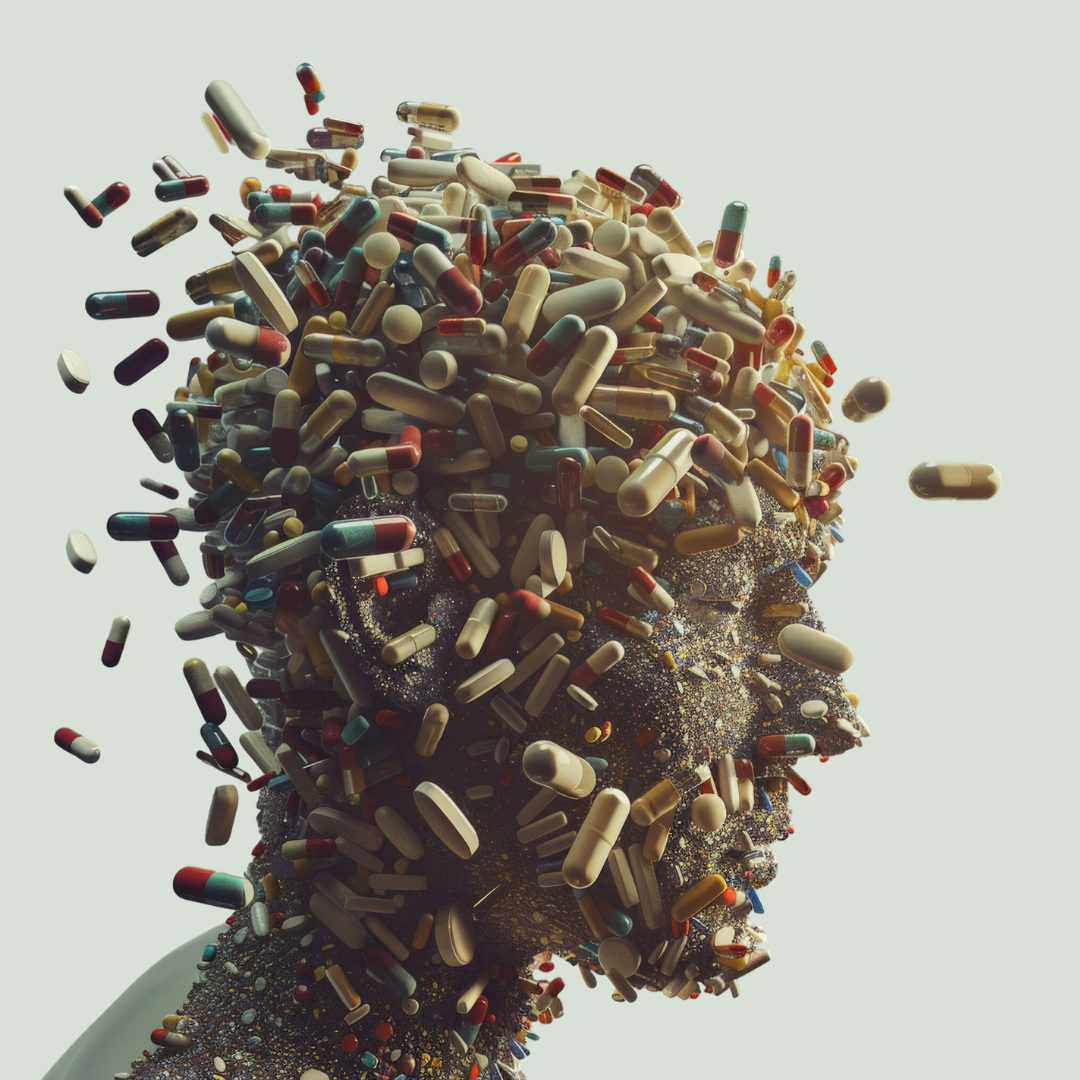
Image by Magnific
Dr Abdulmujeeb Onawole, from UQ’s Centre for Superbug Solutions at the Institute for Molecular Bioscience, said drug-resistant bacteria were one of the greatest threats to global health, and there was an urgent need for new antibiotics. “AI is revolutionising drug development, but scientists struggle to trust its recommendations because the technology often can’t explain its reasoning,” he added.
“We call this the ‘black box’ of AI, where AI provides an answer, but there’s no explanation of how it got there, and this is preventing scientists from understanding the chemical reasoning behind its predictions.”
To tackle this, the researchers trained three different AI models using a dataset of more than 43,000 chemical compounds previously tested against the superbug bacterium Staphylococcus aureus. The models represented molecules in different ways, allowing the team to compare both their prediction accuracy and how well they explained their decisions.
The researchers, then, applied a four-part evaluation framework to each model, assessing whether the AI could correctly identify important drug structures; explain why small chemical changes could dramatically alter a drug’s effectiveness (known as ‘activity cliffs’), produce explanations that matched its predictions; and provide consistent results across repeated testing.
While all three models were able to predict antibacterial activity with acceptable accuracy, the graph-based AI model delivered the best overall balance of prediction performance and explainability.
“We have shown our framework can successfully assess if AI systems can provide trustworthy chemical explanations, which is critical to medical chemists in drug development,’’ said Johannes Zuegg from UQ’s Centre for Superbug Solutions, concluding: “This is an important step towards speeding up the integration of AI into antibiotic research.’’
DOI: 10.1186/s13321-026-01200-x