Keeping drones in the air
Kevin Brundish looks at the battery technology shaping the future of drone-assisted search and rescue.
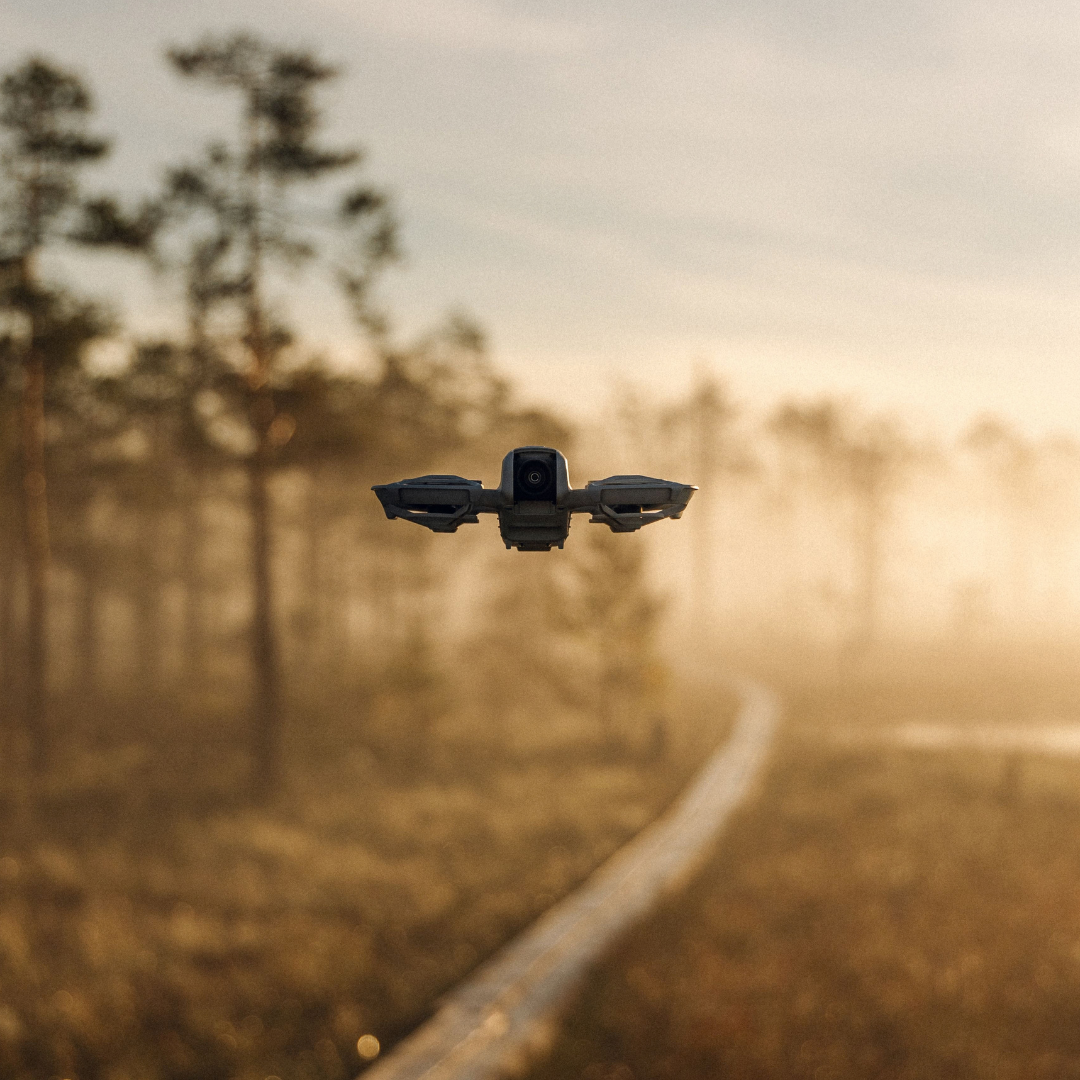
Image by Anton Massalov | Pexels
In search and rescue, time is rarely on your side. Whether responders are searching difficult terrain, collapsed buildings, or a changing search area, the longer they can keep looking, and the faster they can reach the right location, the better their chances of finding someone who needs help.
Drones are already changing what is possible. They can reach areas that are difficult or dangerous for responders, provide an aerial view of an incident, and help teams understand where their attention is needed most. But what a drone can do once airborne still depends heavily on the energy it can carry.
Search and rescue is often a loitering activity. A drone may need to remain above an area while teams search for an individual or assess changing conditions. If the search area widens, it may need to travel further than planned. Every return to change or recharge a battery interrupts that search.
More energy gives drone manufacturers choices. They can use it to fly longer, fly further, or carry more depending on their purpose.
Some of the clearest evidence for the expanding role of drones is coming from Ukraine. Conflict creates urgent operational requirements, and technology that might otherwise move gradually through development, testing, and deployment can suddenly be needed much sooner. That pressure is contributing to the rapid pace of deployment of new generations of drones and unmanned technology.
The circumstances are tragic, but some of the lessons will extend beyond the military environment. Search and rescue is one area where there is significant demand for improvement and where developments driven by these urgent requirements could make a real difference.
Ukraine's State Emergency Service is already using drones for search and rescue around Dnipro, including assessing damaged buildings, relaying information to teams clearing rubble, and examining areas that are too dangerous to access on foot.
Drones were used to provide live aerial footage of burning buildings, collapsed stairwells, and unstable debris, following a missile strike on residential buildings in Ternopil in November 2025. This helped identify hazards and guide rescuers toward areas where survivors were most likely to be found. Reports cited that 46 people were rescued, with drone surveillance playing an important role in the response.
The battery is central to how much useful work a drone can do. Most conventional lithium-ion batteries use graphite in the anode. Lithium metal can store around ten times more energy than graphite at the material level. That does not mean a finished battery has 10 times the energy, since the anode is only one component, but it creates considerable scope to increase overall energy density.
For drone manufacturers, the value is flexibility. Keeping the battery at roughly the same weight can extend flight time or range. Reducing its weight could instead free capacity for cameras, sensors, or other payloads.
Search and rescue is not only about how long a drone can stay airborne. Sometimes the priority is reaching someone quickly. For the right mission and distance, a drone could deliver urgent medical equipment or supplies to someone in a remote location before a helicopter or ground team can reach them. That requires more than energy density. The battery must also deliver power when the aircraft accelerates, responds to difficult conditions, or carries a payload. Energy, power, and cycle life must all be balanced.
As higher-energy batteries become available, manufacturers have an opportunity to consider what different battery performance could allow from the outset. For search and rescue, the value is practical. Can the drone stay over an area for longer? Can it extend the search when circumstances change? Can it reach someone quickly? Can it carry the equipment the mission requires?
The pressure of conflict is accelerating drone development today. Search and rescue could become one of its important longer-term beneficiaries.
Better batteries will not conduct the rescue. But they can give the people who do more time to search and cover more ground, and more options when every minute counts.
Kevin Brundish is CEO of LionVolt, a European high-energy battery startup. He has led several scale-ups in energy and batteries.